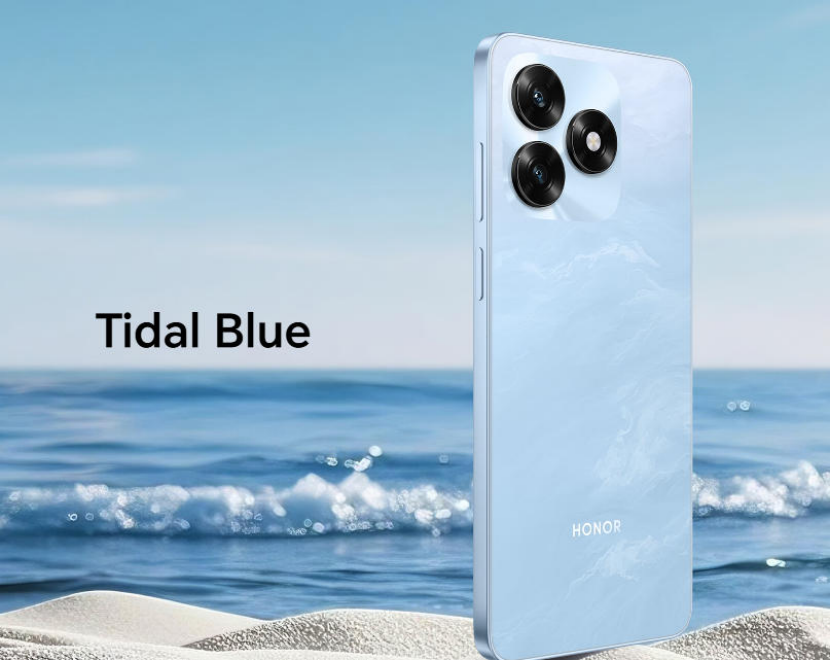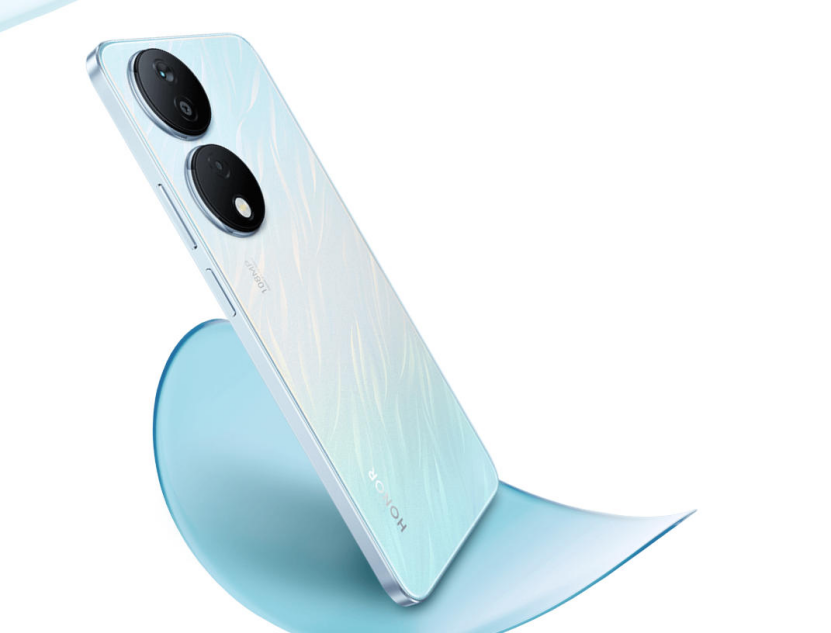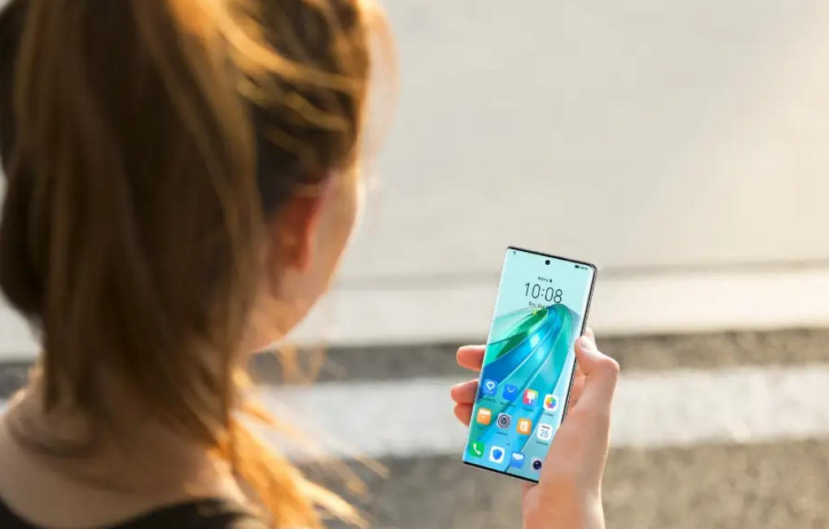
Smartphones rarely stay static after the day they are unboxed. Instead, they evolve through software adjustments, app behavior learning, resource optimization, and intelligent battery management. These systems work quietly in the background, helping devices remain responsive even as users install new apps, take more photos, and form long-term usage habits. Performance optimization is no longer limited to raw hardware strength; it now involves continual refinement based on real-world patterns. Devices such as the HONOR X5b plus follow this logic as well, using efficient processing, long-lasting durability, and adaptive power-saving tools to stay smooth over extended periods without the user needing to intervene.
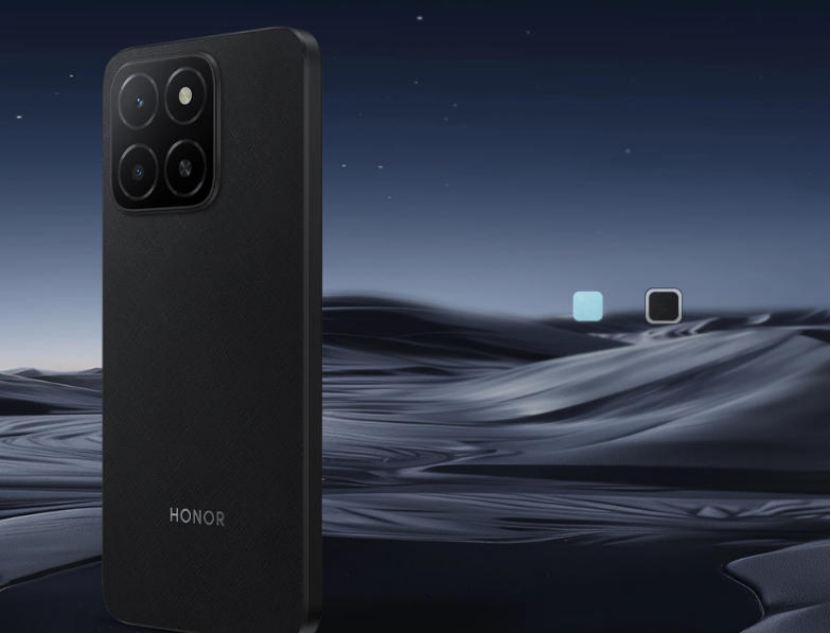
How Smartphones Manage Power and Extend Efficiency
Adaptive Battery Strategies Reduce Strain
A phone’s battery plays a major role in how well the device performs. Background processes, notifications, and app refresh cycles can slow a phone down if they use too much energy. Modern smartphones monitor these patterns and automatically cut off unnecessary activity. They learn which apps a user frequently opens and which ones stay idle. This selective prioritization keeps essential apps responsive while minimizing waste. When a device includes strong power-saving capabilities—as seen in the HONOR X5b plus, whose super power-saving mode stretches even low battery levels into long standby windows—the battery remains healthier for a longer period. This health stability helps the device maintain consistent performance across years of daily use.
Thermal Adjustments Maintain Stable Operation
Heat affects every component inside a smartphone. When the temperature rises, performance can drop to prevent damage. To counter this, smartphones adjust processing behavior, screen brightness, and background workloads to keep internal temperatures within a safe range. These adjustments are subtle but vital for long-term stability. A device equipped with an efficient processor, like the HONOR X5b plus and its eight-core architecture, can distribute tasks more evenly, reducing unnecessary heat buildup. Over time, this helps maintain reliable speed because the device avoids performance dips triggered by thermal stress. The result is a phone that feels smoother and more predictable during heavy days of use.
Battery Longevity Features Support Consistent Speed
Longevity systems protect the battery and prevent premature aging. When a battery stays healthier for longer, the device avoids the gradual slowdown users often associate with older phones. Smartphones employ controlled charging, optimized voltage distribution, and intelligent overnight charging behavior. This ensures the battery holds its strength over months and years. Practical durability—such as the long-term anti-aging performance highlighted in the HONOR X5b plus—reinforces this stability. When battery output remains strong, the processor, display, and network systems receive consistent power, allowing the phone to operate at its intended speed instead of compensating for battery fatigue.
How Smartphones Tune System Resources for Smoother Performance
Memory Management Adaptively Allocates Resources
Modern systems dynamically direct memory to active tasks. When users open multiple apps, the smartphone identifies which ones require real-time access and which can be temporarily paused. This prevents unnecessary memory occupation and keeps interfaces fluid. Large storage capacity also reduces strain caused by near-full memory environments. With support for expansive storage, the HONOR X5b plus provides enough space for media, apps, and updates without forcing the system to compress or offload data aggressively. When the device avoids overload cycles, it can maintain faster read/write times, which directly affects how smoothly apps launch and how quickly content loads.
Display Optimization Enhances Perceived Performance
Performance is not only about speed; it is also about how smooth the interaction feels. High refresh rates, responsive touch layers, and adaptive brightness all contribute to this perception. A phone that adjusts the display based on activity—lowering refresh rates during static tasks and raising them during motion—balances smoothness with efficiency. This dynamic strategy ensures interaction remains fluid without draining resources. The HONOR X5b plus supports this kind of visual responsiveness through its 90Hz high-definition screen, making scrolling and interface transitions appear crisp. The device also uses dimming and eye-protection tools to reduce strain, which allows users to use the phone comfortably for longer periods without fatigue.
Software Updates Gradually Improve Speed and Stability
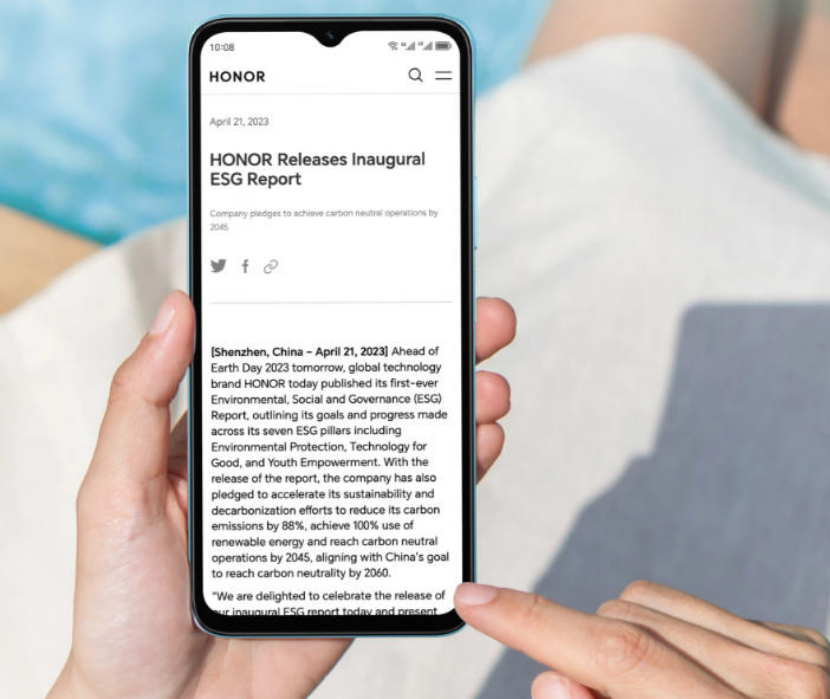
Smartphones evolve through frequent software updates that refine system processes, remove unnecessary code paths, and introduce better resource-handling strategies. These updates often fix bugs that previously caused delays, optimize app compatibility, or improve how the system interacts with hardware components. Over time, the phone benefits from accumulated improvements that users may not notice immediately but will feel in the form of smoother navigation or faster app switching. Even small enhancements—like refined gesture response or more efficient notification handling—contribute to the overall sense that a device keeps getting better. A smartphone that maintains consistent support, such as the HONOR X5b plus, demonstrates how software longevity shapes real-world performance.
Conclusion
Smartphones optimize performance over time through adaptive power management, memory allocation, thermal adjustments, display tuning, and continuous software refinement. These mechanisms help devices remain smooth even as users add new apps, increase their media libraries, and shift their daily habits. Hardware provides the foundation, but long-term performance depends on intelligent systems working quietly in the background. The HONOR X5b plus smartphone fits naturally into this framework, offering efficiency-focused features such as long-lasting battery power, a capable processor, ample storage, and a responsive display. Together, these characteristics allow the phone to maintain stable performance across months and years, ensuring that everyday tasks continue to feel smooth, reliable, and effortless.