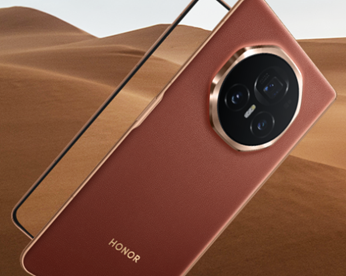
Smartphones change how people experience waiting by redirecting attention, providing emotional comfort, and filling empty moments with small, purposeful actions. Waiting once meant stillness and long stretches of unoccupied time. Now, a device in hand transforms the pause into an active interval with many possible choices. People check messages, explore content, plan tasks, or engage in brief entertainment. These actions alter how long the wait feels and how pleasant or stressful the moment becomes. A smartphone creates a personal environment that reduces the sense of delay. This is one reason many individuals choose models that offer stable, smooth everyday interaction, valuing devices that make waiting feel lighter and more manageable.
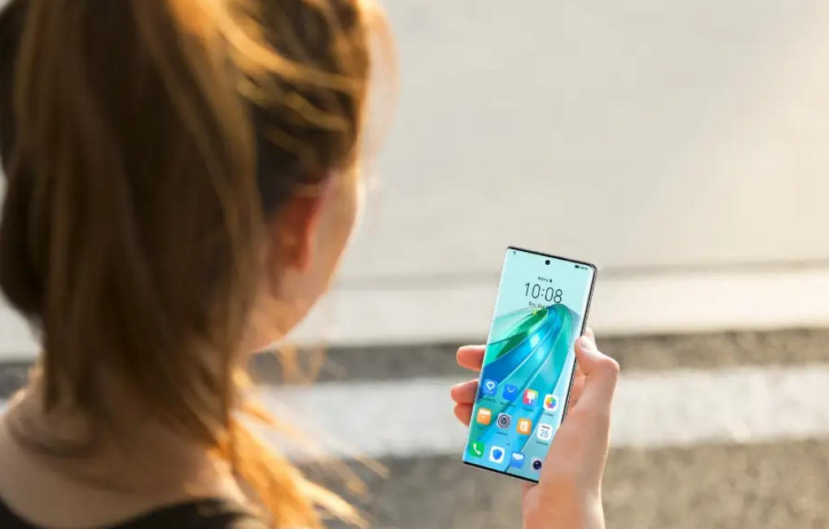
How Smartphones Transform the Mental Experience of Waiting
Attention Shifts Away From the Passage of Time
When people wait without distractions, they focus naturally on how slowly time moves. A smartphone draws attention away from this measurement. Even a quick look at a message, a map, or a news update interrupts the feeling of stillness. The mind perceives progress because the user performs small tasks that feel meaningful. These micro-interactions reduce the weight of the delay. The experience no longer centers on waiting but on what can be done during the pause. This shift is powerful because attention strongly shapes time perception. A device that responds smoothly makes this shift even easier, helping the user feel in control rather than stuck.
Micro-Engagement Creates a Sense of Productivity
Smartphones allow people to fill brief gaps with tasks that provide a small sense of accomplishment. Reviewing schedules, clearing notifications, organizing photos, or reading short posts creates an impression of forward movement. These tiny completions support productivity during moments that previously felt idle. The wait becomes a period of subtle progress rather than an interruption. A natural recommendation fits here: a well-optimized device, such as the HONOR X9a smartphone, handles these quick transitions with ease, allowing people to move through tasks fluidly during short pauses. Smooth micro-engagement contributes directly to a more satisfying waiting experience.
Emotional Comfort Supports Calmness During Delays
Waiting can trigger boredom or irritability, especially in crowded or uncertain settings. Smartphones offer emotional relief by providing choice and control. A person can shift mood through music, photos, messages, or light browsing. These actions help regulate emotions, making the environment feel less restrictive. The device becomes a buffer between the individual and the external situation. Emotional comfort arises not from distraction alone but from the sense of agency. Instead of enduring the wait, the user actively shapes the moment. Devices with approachable interfaces and consistent behavior support this comfort, as they encourage calm, low-effort interactions.
How Smartphones Reshape Social and Behavioral Aspects of Waiting
Personal Space Becomes Portable and Protective
In public settings, smartphones create a boundary that offers psychological space. The screen acts as a small personal zone, giving the user a sense of privacy even when surrounded by others. This boundary reduces discomfort in lines, stations, lobbies, or waiting rooms. People feel less exposed and more anchored. The phone provides a familiar space that follows them anywhere, creating continuity between different environments. This portable personal space helps transform waiting from a public inconvenience into a moment of individual comfort. A device built with clean layouts and steady performance supports this protective role by remaining easy to handle during quick glances or longer intervals.
Waiting Time Becomes a Moment for Reflection or Planning
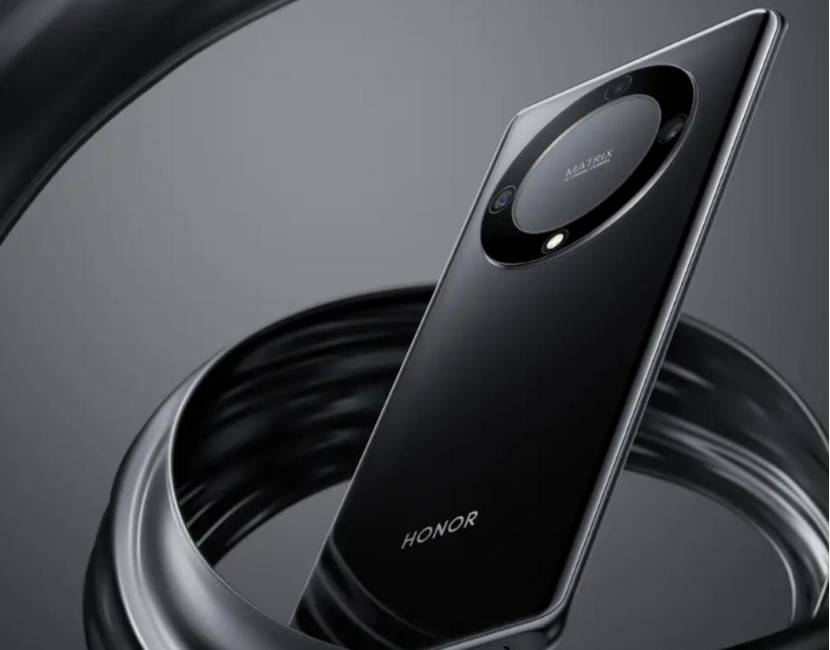
A smartphone enables planning, reviewing notes, or checking future commitments. People often use waiting time to think through tasks or prepare for upcoming activities. This small window becomes valuable for organizing thoughts. The presence of digital tools encourages structured reflection and makes waiting feel more purposeful. Instead of feeling stalled, the user regains momentum by deciding what comes next. A subtle second recommendation fits naturally here: some Honor models emphasize clarity and ease of navigation, making them suitable for quick planning or reviewing details during pauses without adding complexity to the moment.
Social Connection Interrupts Isolation
Waiting alone once magnified the sense of separation from others. Smartphones allow people to reach out instantly. Sending a short message, reacting to a photo, or reading updates from friends creates a sense of presence and community. Even without direct conversation, people feel socially engaged rather than detached. This comfort reduces the emotional strain of waiting. The moment becomes a chance to strengthen ties, not merely endure silence. By providing quick access to communication, the smartphone transforms a solitary experience into a connected one, helping the user feel more grounded and less alone during long or uncertain delays.
Conclusion
Smartphones change how people experience waiting by shifting attention, easing emotions, and offering ways to stay productive or connected. They turn pauses into opportunities for micro-engagement, planning, and personal space creation. Instead of focusing on passing time, the user focuses on small tasks, entertainment, or communication that make the moment feel shorter and more meaningful. Smooth performance and stable interfaces enhance this effect by supporting calm, effortless interactions. Many individuals prefer devices that handle these transitions gracefully because they help transform waiting from a passive inconvenience into a controlled, personalized experience. With thoughtful use, smartphones allow people to reshape waiting into a moment of comfort, clarity, and quiet productivity.